


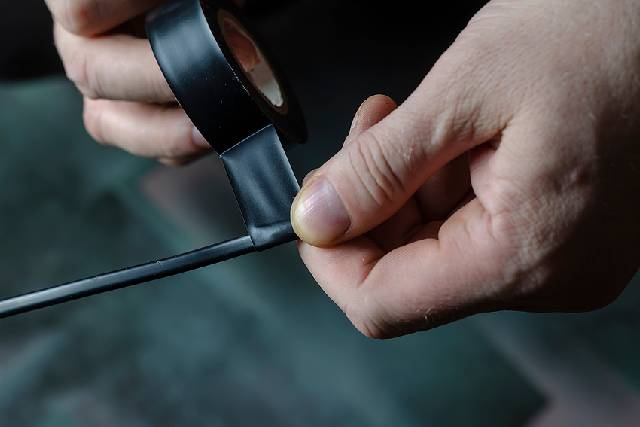
Loose wires, exposed cables, and quick DIY fixes often lead people to reach for one simple solution. It is small, affordable, and easy to use, yet many people do not fully understand how to use it properly.
That solution is electrical tape. While it may look straightforward, using it incorrectly can lead to safety risks, poor insulation, or even long-term damage to your wiring. Whether you are handling a minor home repair or working on a more complex setup, knowing the right way to use it makes all the difference.
This guide walks you through the essentials, from what it is used for to how to apply it safely and effectively.
What Is Electrical Tape and What Does It Do?
Electrical tape is a type of pressure-sensitive tape designed to insulate electrical wires and other materials that conduct electricity. It is typically made from vinyl, which is flexible, durable, and resistant to moisture.
Its main purpose is to:
- Insulate exposed wires
- Protect against electrical leakage
- Prevent short circuits
- Provide light bundling or organisation of cables
Unlike regular tape, it is specifically built to handle electrical applications. That means it can withstand heat, resist wear, and offer a certain level of protection against environmental conditions.
Common Uses You Should Know
You will often see electrical tape used in both professional and household settings. Some uses are appropriate and safe, while others are more temporary fixes.
Here are the most common applications:
1. Insulating Exposed Wires
One of the most important uses is covering exposed wiring. This helps prevent accidental contact and reduces the risk of electrical shocks.
2. Minor Wire Repairs
For small nicks or damage to a wire’s outer layer, tape can act as a temporary solution until a proper repair is done.
3. Bundling Cables
It can be used to group wires together neatly, especially in low-risk environments like home entertainment setups.
4. Colour Coding
Different coloured tapes are often used to identify wires in complex systems, making troubleshooting and maintenance easier.
When Not to Use It
While electrical tape is versatile, it is not a fix-all solution. Using it incorrectly can create safety hazards.
Avoid using it for:
- Severely damaged or frayed wires
- High-heat environments where adhesive may fail
- Permanent repairs that require proper connectors or replacements
- Structural cable support
If a wire is heavily damaged, replacing it or using proper connectors is always the safer option.
How to Apply It Properly
Using electrical tape correctly is just as important as choosing the right one. Poor application can lead to loose insulation or exposure over time.
Follow these steps for best results:
Step 1: Turn Off Power
Always switch off the power supply before handling any wires. This reduces the risk of electric shock.
Step 2: Clean the Surface
Make sure the wire is dry and free of dust or grease. This helps the tape stick properly.
Step 3: Stretch Slightly While Wrapping
Apply the tape with a gentle stretch. This improves adhesion and creates a tighter seal.
Step 4: Overlap Each Layer
Wrap the tape in overlapping layers, covering the exposed section fully. A good rule is to overlap by about half the tape’s width.
Step 5: Press Firmly
Once applied, press down to secure the tape and remove any air gaps.
Safety Tips You Should Not Ignore
Working with electrical materials always comes with some level of risk. These safety tips can help reduce that risk significantly.
- Always turn off the power source before starting
- Use the right type of tape for the job
- Avoid using worn or dried-out tape
- Check your work after application to ensure full coverage
- Do not rely on tape for long-term or heavy-duty fixes
It is also important to consider factors like temperature resistance and voltage ratings when selecting the right tape for your application, especially in more demanding environments.
Common Mistakes to Avoid
Even though it seems simple, many people make small mistakes that can lead to bigger issues later.
1. Using It as a Permanent Fix
Electrical tape is often meant for temporary solutions. Relying on it for long-term repairs can be risky, as the tape can degrade over time, especially in harsh environments.
2. Wrapping Too Loosely
Loose application can cause the tape to unravel over time, exposing wires again.
3. Ignoring Environmental Factors
Heat, moisture, and friction can all affect performance. Always consider where the tape will be used, especially in Singapore’s humidity.
4. Using the Wrong Type
Not all tapes are suitable for all jobs. Using the wrong type can compromise safety.
When to Call a Professional
Sometimes, it is better to step back and let an expert handle the situation.
You should consider professional help if:
- You are dealing with major electrical faults
- The wiring system is complex or unclear
- There are signs of overheating or burning
- You are unsure about safety procedures
Electrical issues can escalate quickly, so it is always better to be cautious.
Keeping Your Supplies in Good Condition
Proper storage and handling can extend the life of your tape and ensure it performs well when needed.
- Store in a cool, dry place
- Keep away from direct sunlight
- Replace rolls that have dried out or lost adhesion
Simple habits like these can make a big difference in performance and safety.
Conclusion
Electrical work, even at a basic level, requires care and attention. Knowing how to use the right materials properly helps you avoid unnecessary risks and ensures better results.
If you are looking for reliable materials for your projects, it is worth sourcing from a trusted supplier. Explore high-quality insulation solutions and a wide range of industrial tapes at MOPI to ensure your work is done safely and effectively.