


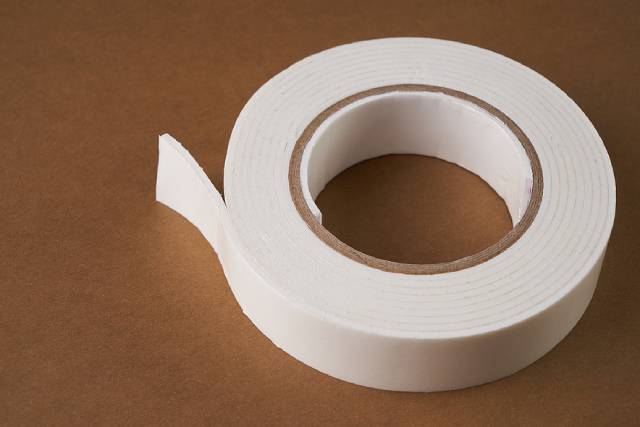
That moment when you peel something off your wall and the paint comes with it? It is enough to make any homeowner wince. Whether you are decorating your space, hanging up photos, or organising cables, double-sided tape feels like the easiest solution. No drilling, no mess, no tools. But the big question remains: will it damage your HDB walls?
If you are living in an HDB flat, you already know how important it is to keep your walls in good condition, especially if you plan to repaint, renovate, or eventually sell. Let’s break down how double-sided tape works, when it can cause damage, and how to use it safely without ruining your paint.
Why Double-Sided Tape Is So Popular
Double-sided tape has become a go-to solution for many households in Singapore. It is convenient, affordable, and versatile. You can use it for everything from mounting lightweight frames to securing decorative items or even organising cables neatly along walls.
For many, it also doubles as a practical packing material during moves or temporary setups, making it even more appealing as a multi-purpose solution.
But while it is easy to use, not all tapes are created equal. And more importantly, not all walls respond the same way.
Does Double-Sided Tape Actually Damage Paint?
The short answer is: it can, but it depends on several factors.
1. Type of Paint on Your Walls
HDB walls are typically coated with emulsion paint, which is relatively soft compared to industrial or exterior coatings. This makes it more vulnerable to adhesive damage. Lower-quality or older paint is even more prone to peeling.
2. Strength of the Adhesive
Some double-sided tapes are designed for heavy-duty use. These can bond very strongly to surfaces, which is great for holding weight but risky when it comes time to remove them.
3. Duration of Use
The longer the tape stays on your wall, the stronger the bond becomes. Over time, adhesives can harden or fuse with the paint layer, increasing the chance of damage during removal.
4. Surface Condition
If your wall has uneven textures, dust, or moisture, the adhesive may not stick evenly. This can cause patchy bonding, which leads to paint lifting when removed.
Common Scenarios Where Damage Happens
Understanding when damage is most likely can help you avoid it.
- Peeling off tape quickly
Ripping tape off in one swift motion often pulls paint along with it.
- Using heavy-duty tape on lightweight items
Stronger is not always better. Using industrial-grade tape for small decorations can increase the risk unnecessarily.
- Applying tape on freshly painted walls
New paint needs time to cure fully. Applying tape too soon can weaken the bond between paint and wall.
- Leaving tape on for months or years
Long-term adhesion increases the likelihood of paint damage during removal.
How to Use Double-Sided Tape Safely on HDB Walls
The good news is that you can still use double-sided tape without damaging your walls if you follow a few best practices.
1. Choose the Right Tape for the Job
Look for tapes specifically designed for walls or removable applications. Understanding the features of high-quality tapes can make a big difference. These often include controlled adhesion, clean removal technology, and compatibility with painted surfaces.
2. Clean the Surface First
Before applying tape, wipe the wall with a dry cloth to remove dust and dirt. A clean surface ensures even adhesion and reduces the chances of uneven peeling later.
3. Avoid Freshly Painted Walls
If your wall has been recently painted, wait at least 2 to 3 weeks before applying any adhesive. This allows the paint to cure fully and reduces the risk of peeling.
4. Use the Right Amount
More tape does not always mean better support. Use just enough to hold your item securely without overloading the surface.
5. Test a Small Area First
If you are unsure, test the tape on a less visible area. This gives you an idea of how your wall will react before committing.
How to Remove Double-Sided Tape Without Damaging Paint
Removal is where most damage happens, but it does not have to.
1. Peel Slowly and Gently
Instead of pulling the tape straight off, peel it back slowly at a low angle. This reduces stress on the paint surface.
2. Use Heat
A hairdryer can soften the adhesive, making it easier to remove. Gently heat the tape for a few seconds before peeling.
3. Use Adhesive Removers
If residue is left behind, use a mild adhesive remover or rubbing alcohol. Apply it gently with a cloth to avoid damaging the paint.
4. Avoid Sharp Tools
Scraping with blades or hard objects can scratch or chip your wall. Always opt for softer methods.
When Double-Sided Tape Makes Sense
Despite the risks, double-sided tape is still a practical solution in many situations:
- Temporary decorations for events or holidays
- Lightweight wall hangings
- Cable management
- Quick fixes that do not require drilling
The key is using the right product and applying it correctly.
Balance Convenience with Care
Double-sided tape is not inherently bad for your walls. The real issue lies in how it is used. With the right approach, you can enjoy its convenience without sacrificing your paintwork.
Think of it as a balance between strength and removability. Choosing the right tape, applying it properly, and removing it carefully can make all the difference.
Conclusion: Smarter Choices for Your Wall and Workspace
Protecting your HDB walls does not mean giving up on convenience. It simply means making smarter choices about the materials you use and how you use them.
MOPI provides a reliable range of adhesive solutions and packaging supplies tailored for everyday needs in Singapore. Whether you are looking for dependable double-sided tape or advice on choosing the right materials for your application, MOPI is here to help you work smarter, cleaner, and more efficiently.