


Getting the keys to your new HDB flat is one of those genuinely exciting milestones, whether it’s your first BTO, a resale unit, or simply a fresh start. But once that excitement settles, the reality of packing up your entire life and moving it across the country tends to arrive pretty quickly. And if you’ve ever dealt with broken crockery or a scratched piece of furniture after a move, you’ll know that how you pack really does matter.
The good news is that with a bit of planning and the right packing supplies, moving doesn’t have to be a chaotic scramble. Choosing your supplies wisely can save you money, protect your belongings, and mean you arrive at your new flat with everything in the same condition it left your old one. Here’s a practical, no-fuss guide to help you pack smarter.
Start With the Right Boxes
Cardboard boxes are the backbone of any move, but not all boxes are created equal. It’s tempting to collect free ones from the supermarket or provision shop downstairs, and for lighter items that works fine. For anything heavier or more valuable, though, it’s worth investing in proper moving boxes.
Moving boxes come in different sizes for good reason. Use smaller boxes for heavy items like books, crockery, and canned goods so the weight stays manageable. Larger boxes work better for lighter, bulkier things like pillows and bedding. A simple guide:
- Small boxes: Books, kitchen items, cables, tools
- Medium boxes: Pots, small appliances, folded clothing
- Large boxes: Bedding, cushions, lightweight bulky items
Given Singapore’s humidity, standard cardboard can soften when exposed to moisture. Try to pack efficiently and avoid leaving loaded boxes sitting in damp spots like the void deck overnight.
Bubble Wrap: Non-Negotiable for Fragile Items
For glassware, ceramics, frames, and electronics, bubble wrap is not optional. It cushions your belongings against the knocks and jolts of transit, which is especially important when movers are navigating tight HDB lift lobbies or narrow stairwells.
Wrap each fragile item fully, tuck in the edges, and secure with packing tape. Then place wrapped items in the centre of the box and fill any remaining gaps with packing paper or crumpled newspaper so nothing shifts during the move.
Packing Paper and Foam Sheets
Packing paper is one of those quietly useful supplies that many people overlook. It’s softer than newspaper, which can leave ink marks on lighter items, and it works well for wrapping plates, mugs, figurines, and framed photos. Foam sheets are similarly handy for stacking plates without scratching them and protecting wooden furniture surfaces and corners.
Packing Tape: Don’t Cut Corners
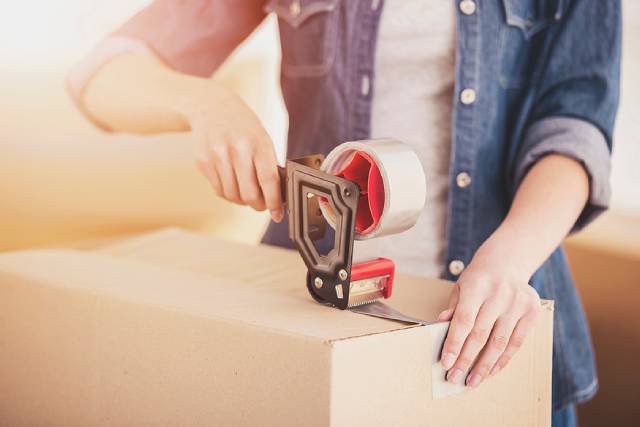
A move can fall apart if you skimp on tape, and not just figuratively. Use strong packing tape that can hold a fully loaded box without giving way mid-carry. A tape dispenser is worth having on hand, as it speeds things up considerably and wastes far less tape than tearing by hand.
Seal the bottom of every box with at least two strips running both lengthways and across, and repeat the same for the top once it’s packed. A single strip down the middle is not enough.
On the subject of tape and adhesives, when it comes to sticking things to the walls in your new flat, it’s worth being mindful of HDB wall safety — certain tapes and adhesives can pull paint clean off the walls when removed, landing you with repair costs before you’ve even settled in properly.
Stretch Wrap for Furniture
If you’re moving furniture, stretch wrap (sometimes called moving wrap or cling wrap) is a practical addition to your kit. It holds drawers shut, stops doors from swinging open in transit, and protects surfaces from scratches without leaving any adhesive residue on the furniture itself.
It’s particularly useful for upholstered sofas and chairs, keeping fabric clean and protected. Given how tight HDB corridors and lifts can be, protecting your furniture from scrapes against walls and door frames during the move is well worth the extra few minutes.
Labels and Markers: Small Effort, Big Payoff
Packing carefully is only half the job. If you arrive at your new flat with 40 unlabelled boxes, unpacking quickly becomes its own ordeal. Label every box clearly before it leaves your old place with:
- The room it belongs to (kitchen, master bedroom, store room)
- A brief note on contents
- Whether anything inside is fragile
Colour-coded labels by room can make things even smoother, especially if you have movers helping and need them to know where each box goes without constant back-and-forth.
A Few Things Worth Knowing Before Moving Day
HDB corridors and lifts have size limitations that can catch you off guard. Measure larger pieces of furniture before moving day and check whether anything needs to be disassembled. It’s more common than you’d think to discover on the day itself that a sofa won’t fit in the lift without removing its legs.
Final Thoughts
A well-packed move is almost always a smoother move. Taking the time to gather the right supplies before moving day means less stress, less damage, and a much more enjoyable settling-in process once you’re finally in your new flat.
If you’re looking for quality packing and moving supplies in Singapore, check out MOPI. From boxes and bubble wrap to tape and stretch film, MOPI stocks everything you need to get your move done right, so you can focus on making your new flat feel like home.