


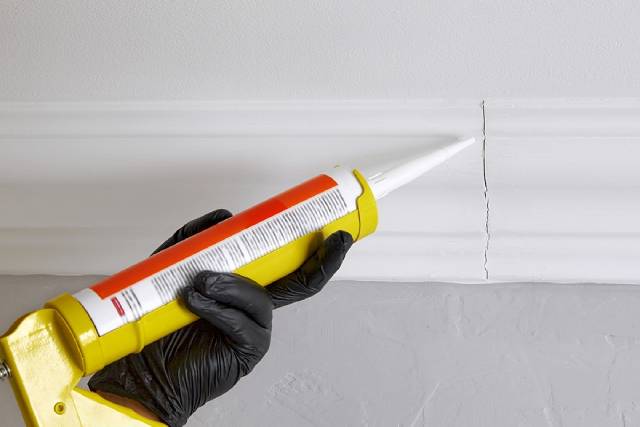
Whether you are patching up a leaky pipe, rehanging a shelf, or touching up a crack in the wall, having the right adhesive or sealant on hand makes all the difference. With so many products on the market, it can be genuinely confusing to know which one to reach for. This guide breaks it all down in plain language, so you can fix things right the first time without wasting money on the wrong product.
Know Your Fix Before You Buy
The single biggest mistake most DIYers make is grabbing whatever is closest at the hardware store. Before you buy anything, ask yourself two things: what materials are you bonding, and will the area be exposed to moisture or movement? The answers will point you straight to the right product.
Here is a quick overview of the most common types:
| Type | Best For | Key Trait |
| Epoxy adhesive | Metal, glass, ceramics | Extremely strong, rigid bond |
| Super glue (cyanoacrylate) | Small repairs, plastics | Fast-setting |
| PVA glue | Wood, paper, fabric | Easy to use, paintable |
| Construction adhesive | Heavy-duty bonding, tiles | High-load bearing |
| Silicone sealant | Bathrooms, kitchens, windows | Waterproof, flexible |
| Double-sided adhesive tape | Lightweight mounting, trims, crafts | No mess, instant hold |
Adhesives for Common Home Repairs
- Epoxy adhesives are the go-to for anything that needs a rock-solid, permanent bond. They come in two parts that you mix together, and once cured, they can handle heat, chemicals, and significant stress. Think broken ceramic tiles, metal fixtures, or glass ornaments that need to stay put for good.
- Super glue is brilliant for small, quick repairs where the surfaces fit together cleanly. It bonds almost instantly, which is handy, but it does not handle gaps well and can become brittle over time. Use it for things like a snapped picture frame or a loose cabinet handle, not for anything structural.
- PVA glue (polyvinyl acetate) is what most people grew up using in school, but it is genuinely useful around the home too. It works well on wood, paper, and porous materials, and once dry, you can paint right over it. It is water-soluble before it dries, which makes clean-up a breeze.
- Construction adhesive is the better choice for heavier jobs like sticking down skirting boards, bonding tiles to walls, or mounting heavy shelving components. These are typically applied with a caulk gun and are designed to carry real weight.
Sealants: Not Just for Leaks
People often think of sealants purely as a solution for dripping taps or leaking pipes, but they do much more than that. A good sealant fills gaps, prevents draughts, reduces noise transfer, and stops moisture from getting into places it should not be. For anyone living in Singapore’s humid climate, this last point is especially important.
Silicone sealant is the most versatile option for wet areas. It stays flexible after curing, which means it handles the natural expansion and contraction of surfaces without cracking. Use it around your bathroom basin, shower tray, window frames, and kitchen worktops. One thing to note: silicone cannot be painted over, so if aesthetics matter, opt for an acrylic or latex sealant instead.
Acrylic sealant is paintable and easier to smooth out than silicone, making it great for interior gaps like skirting board joints or ceiling coving. It is not as waterproof as silicone, though, so keep it away from areas with direct water exposure.
Quick Fixes That Do Not Involve Glue at All
Double-sided adhesive tape is an underrated tool in any home fix-it kit. It is clean, instant, and surprisingly strong depending on the grade you choose. Foam-core versions grip uneven surfaces particularly well, while thin-film versions work well for smooth, flat bonding. They are ideal for mounting lightweight frames, securing cables, or attaching decorative trims without putting a single nail in the wall.
This is especially relevant in HDB flats, where drilling into walls is sometimes restricted or simply more trouble than it is worth. That said, do note that wall damage from adhesive tape is a real consideration, as certain products can pull paint clean off when removed.
A Few Things to Always Check
Before you commit to any adhesive or sealant, take a moment to:
- Check surface compatibility. Some adhesives react badly with certain plastics or treated woods.
- Make sure surfaces are clean and dry. Even the best adhesive will fail on a dusty or oily surface.
- Read the cure time. Some products feel set but are not fully cured for 24 hours or more.
- Consider ventilation. Many sealants and adhesives release fumes during application, so open a window.
Ready to Fix It Right
Choosing the right adhesive or sealant is not complicated once you know what you are looking for. Match the product to the material, consider whether you need flexibility or rigidity, and always prep your surfaces properly before you start. With a small selection of the right products on your shelf, most home repairs become far less stressful.
For high-quality adhesives, sealants, and tapes for both home and professional use, MOPI is a trusted supplier in Singapore with over 40 years of experience. It is well worth exploring our range before your next project.