


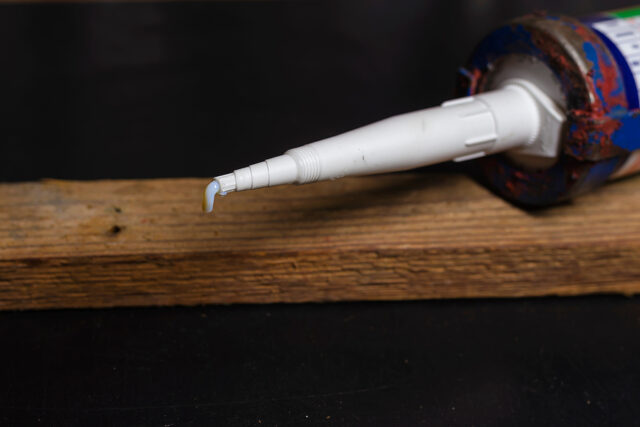
Most people do not think about sealant storage until they reach for a half-used cartridge and find it has already cured solid inside the cartridge. At that point, the cartridge is wasted and the job is delayed. Whether you are a tradesperson keeping stock on site or a homeowner with a tube left over from a bathroom renovation, how you store silicone sealant directly affects how long it stays usable.
How long does silicone sealant last?
Most silicone adhesive products carry a shelf life of 12 to 24 months from the date of manufacture, though this varies between formulations and brands. That date assumes the product has been stored correctly in its original unopened packaging. Once a cartridge has been opened, the clock speeds up considerably, and storage between uses becomes far more important than the printed date on the label.
Silicone cures by reacting with atmospheric moisture. Even inside a sealed cartridge, trace amounts of moisture can find their way in over time, triggering a partial cure that thickens the product and eventually makes it unusable. The goal of proper storage is to slow that process down.
The main enemies of shelf life
- Heat
Elevated temperatures accelerate the chemical reactions that lead to premature curing. A cartridge stored in a hot van, on a sun-exposed shelf, or near any heat source will degrade significantly faster than one kept in a cool environment. - Moisture
Direct exposure to humidity or water, whether from condensation, a damp storage area, or accidental contact, introduces the very thing that triggers curing. - Air
Once a cartridge is opened, the nozzle becomes the main entry point for air and moisture. An unsealed nozzle between uses is one of the most common causes of silicone sealant failing well before its shelf life. - UV exposure
Prolonged direct sunlight degrades both the sealant and the cartridge itself, particularly on outdoor sites or near windows.
Storing unopened cartridges
- Keep in a cool, dry location away from direct sunlight, ideally between 5°C and 25°C.
- Store off the floor in areas prone to dampness or flooding.
- Keep away from boilers, hot water pipes or any heat-generating equipment.
- Rotate stock so older cartridges are used first. First in, first out prevents cartridges from sitting forgotten past their usable date.
- Check the manufacture or expiry date when buying in bulk to avoid purchasing stock that is already well into its shelf life.
Storing opened cartridges
- Cap the nozzle immediately after use. A purpose-made sealant cap is the most reliable option. A nail, screw, or tape pushed into the nozzle tip works as a temporary alternative.
- Store the cartridge upright with the nozzle facing up, keeping any partially cured material near the tip rather than back into the body.
- Use the cartridge as soon as possible after opening. Even with good storage, an opened tube will not perform as reliably as a fresh one.
- If the nozzle tip has skinned over between uses, trim it back slightly to expose fresh product underneath.
How to tell if silicone sealant has gone off
- The product does not flow smoothly even under normal gun pressure
- The sealant comes out lumpy or stringy with a noticeably different consistency
- It skins over almost immediately after application, before it can be tooled
If any of these are present, discard the cartridge. Applying degraded sealant results in a poor finish, weak adhesion, and a joint that will need redoing far sooner than it should.
How to store silicone sealant in Singapore’s climate
Singapore’s ambient heat and humidity make correct storage more pressing than in cooler, drier climates. Average temperatures consistently sit above 28°C outdoors and humidity regularly exceeds 80%, both of which accelerate sealant degradation. A cartridge left in a hot site container or unventilated storeroom will lose shelf life noticeably faster than the manufacturer’s stated date suggests.
For anyone managing sealant stock across multiple projects, the same principles that apply to best adhesives and sealants for home fixes hold at a larger scale. Correct storage, proper rotation, and buying quantities that match your actual usage rate all reduce waste and keep costs predictable. Air-conditioned storage is ideal where available. Where it is not, a shaded interior space with good airflow is the next best option.
A little care goes a long way
Wasted stock adds up over time, and a cartridge that fails mid-job is more disruptive than its replacement cost suggests. Cool, dry, shaded storage, a properly sealed nozzle between uses, and disciplined stock rotation are all it takes to get the full shelf life out of every cartridge you buy.
MOPI stocks a range of silicone sealants suited to construction, renovation and industrial applications. Whether you are buying a single cartridge or managing ongoing site supply, our team can help you select the right product and advise on quantities that match your project timeline. Reach out to the team and let us take the guesswork out of your next sealant purchase.