


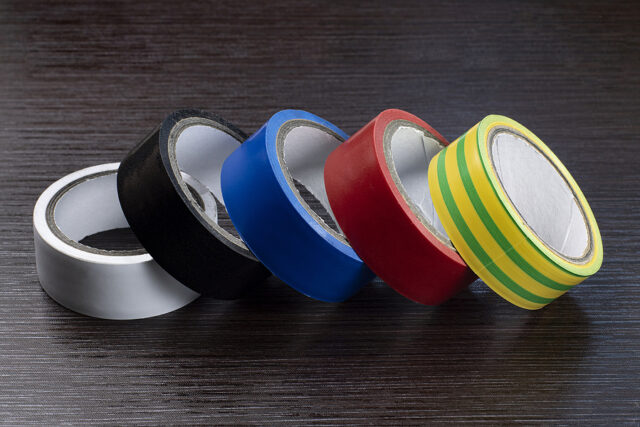
PVC electrical tape is one of those products that seems impossible to use incorrectly. But a poorly applied wrap can unravel, lose adhesion, or fail to provide the insulation it was supposed to deliver. The mistakes are common, the fixes are simple, and knowing both makes a real difference to the quality and safety of any electrical work.
Mistake 1: Using the wrong tape for the job
Not all tape described as electrical tape is the same product. PVC electrical tape is specifically engineered for electrical insulation, with a rated voltage tolerance, defined temperature range, and elongation properties that allow it to conform and self-fuse under tension. Generic or low-grade tape sold without electrical ratings does not meet these standards, even if it looks similar on the roll.
Check that the tape carries a voltage rating appropriate for the application. For most low-voltage domestic and commercial wiring, a tape rated to 600V is standard. For higher-voltage environments, a correspondingly higher rating is required.
Mistake 2: Applying tape over dirty or wet surfaces
Electrical tape relies on adhesive contact with the surface beneath it. Dust, oil, moisture, or any contamination prevents proper bonding, and the tape will begin to lift or unravel over time. This is a particular issue in outdoor installations, industrial environments, or anywhere condensation is present.
Clean and dry the surface before taping. A quick wipe with isopropyl alcohol removes most contaminants in seconds. In environments where moisture is a recurring issue, self-amalgamating tape used underneath the PVC layer adds a waterproof barrier that standard electrical tape alone cannot provide.
Mistake 3: Not stretching the tape during application
Applying electrical tape without tension is one of the most common technique errors. PVC electrical tape is designed to be applied under tension so that it conforms tightly to the wire or connector, fills gaps, and creates a secure, uniform layer. Applied without stretch, it sits loosely, leaves air gaps, and is far more likely to unravel.
Apply moderate tension as you wrap, stretching the tape to roughly 75% of its maximum elongation. It should visibly narrow slightly and conform snugly to the surface beneath. Overlapping each pass by at least half the tape width ensures consistent coverage with no exposed gaps.
Mistake 4: Too few layers or too many
A single layer over a join is rarely sufficient, particularly on a joint that will experience movement or flexing. At the other extreme, excessive layers create bulk that can interfere with fittings or conduit entries and add weight that stresses the connection itself.
For most low-voltage insulation tasks, two to three tightly applied layers provide adequate insulation and mechanical protection. The key is consistency across each layer rather than compensating for poor technique with additional wraps.
Mistake 5: Leaving the tail end loose
A loose tail end is a reliable way to watch an application unravel, particularly in warm environments where adhesive softens. It gives the tape a starting point to peel back from.
Cut the tape cleanly rather than tearing it, which leaves a neater edge that lies flat. Press the final end firmly against the previous layer and hold it for a few seconds. For high-heat or high-humidity installations, finishing with a half-lap of self-amalgamating tape over the final pass locks everything in place.
Mistake 6: Using electrical tape as a permanent repair on damaged insulation
Electrical tape is a legitimate insulation material for joints and terminations, but it is frequently misused as a long-term patch over damaged wire insulation. A wire with cracked or compromised insulation needs the damaged section replaced. Tape over damaged insulation may hold short-term, but the underlying degradation continues and the tape itself will not maintain its properties indefinitely in hot or humid conditions.
The appropriate response is to identify the extent of the damage and replace the affected cable section. For a broader overview of what electrical tape is and is not designed to handle, the guide on proper electrical tape uses and safety covers the full picture.
Mistake 7: Poor storage between uses
A roll stored incorrectly loses adhesion faster than one kept in appropriate conditions. Heat, direct sunlight, or prolonged compression under other materials affects both the adhesive and the PVC backing before the roll is even finished.
Store electrical tape in a cool, dry location away from direct sunlight and avoid leaving rolls flattened under heavy objects. In hot climates, keeping tape in an air-conditioned space between uses makes a noticeable difference to how consistently it performs across the life of the roll.
Get it right from the first wrap
Most PVC electrical tape failures come down to technique or product selection rather than the tape itself. Stretching it correctly, starting with a clean dry surface, building adequate layers, and finishing the wrap properly are habits that take seconds to develop and make a significant difference to the reliability of every application.
MOPI stocks a range of PVC electrical tapes suited to domestic, commercial and industrial electrical work. Whether you need a specific voltage rating, temperature rating, or colour coding for your installation, we can point you to the right product for your requirements. Reach out to the team today and let us help you find the right tape for the job.