


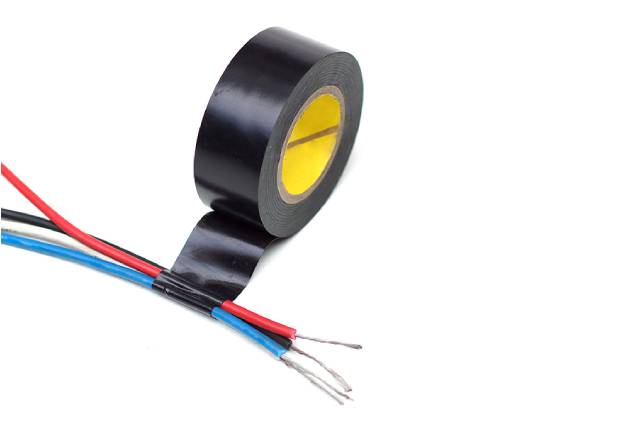
A quick wrap of tape might seem like a small detail, but when electricity is involved, that detail can make a big difference. Whether you are sealing wires, insulating connections, or doing minor repairs, the wrong tape can lead to overheating, short circuits, or even safety hazards.
If you have ever wondered whether your tape is truly safe for electrical work, the answer lies in one key factor: voltage rating.
Let’s break down what voltage ratings mean, why they matter, and how to choose the right PVC tape for safe and reliable use.
What Is a Voltage Rating?
Voltage rating refers to the maximum electrical voltage that a tape can safely withstand without breaking down or failing.
In simple terms, it tells you how much electrical stress the tape can handle before it stops acting as an insulator.
For example:
- A PVC electrical tape rated for 600V can safely insulate wires carrying up to 600 volts
- Using it on higher voltage systems increases the risk of failure
This rating is not just a guideline. It is a critical safety specification that determines whether your tape is suitable for the job.
Why Voltage Ratings Matter More Than You Think
It is easy to assume that all tapes are similar, especially when they look alike. But not all tapes are designed for electrical insulation.
Here is why voltage rating matters:
1. Prevents Electrical Leakage
A properly rated tape ensures that electricity stays within the conductor. Without sufficient insulation, current can leak out and create hazards.
2. Reduces Fire Risk
Low-quality or incorrectly rated tape may degrade under heat or electrical stress. This can lead to melting, sparking, or even fires.
3. Protects Equipment and Installations
Electrical systems rely on stable insulation. Using the right tape helps maintain system integrity and prevents costly damage.
4. Ensures Compliance with Safety Standards
In professional settings, using correctly rated materials is not optional. It is part of regulatory and workplace safety requirements.
Not All PVC Tapes Are Created Equal
When it comes to PVC tape in Singapore, there is a wide range of options available. However, only specific types are designed for electrical applications.
You may come across:
- General-purpose PVC tape
- Electrical insulation tape
- Heavy-duty industrial-grade tape
The key difference lies in their formulation, thickness, and tested voltage resistance.
Electrical PVC tape is specifically engineered to:
- Resist electrical current
- Withstand temperature fluctuations
- Maintain flexibility over time
Understanding Common Voltage Ratings
Most PVC electrical tapes fall into standard voltage categories. Here are the most common ones:
Low Voltage (Up to 600V)
This is the most widely used category. It is suitable for:
- Household wiring
- Light commercial electrical work
- Cable insulation and bundling
Medium Voltage (Above 600V to Several kV)
These tapes are designed for more demanding applications such as:
- Industrial equipment
- Power distribution systems
High Voltage (Specialised Applications)
Used in highly technical environments, these tapes are engineered for:
- Power transmission systems
- Heavy industrial installations
For most everyday applications, a 600V-rated PVC electrical tape is sufficient. However, always confirm the requirements of your specific project.
How to Check If Your PVC Tape Is Safe
Before using any tape for electrical work, take a moment to verify these key factors:
1. Look for Clear Voltage Ratings
The packaging or product specifications should clearly state the voltage rating. If this information is missing, it is best not to use it for electrical purposes.
2. Check for Certification Standards
Reliable tapes often meet international standards such as:
- UL (Underwriters Laboratories)
- IEC (International Electrotechnical Commission)
These certifications indicate that the product has been tested for safety and performance.
3. Evaluate Temperature Resistance
Electrical tape must handle heat generated by current flow. Look for tapes with good thermal resistance to avoid softening or degradation.
4. Assess Adhesion Quality
Strong adhesion ensures the tape stays in place over time. Poor-quality adhesive can loosen, exposing wires and creating risks.
5. Inspect Thickness and Flexibility
A good electrical tape strikes a balance between durability and flexibility. It should wrap easily while providing consistent insulation.
Common Mistakes to Avoid
Even experienced users sometimes overlook key details when choosing tape. Here are some common mistakes:
- Using General Tape for Electrical Work
Not all tapes are suitable for insulation. Avoid using packaging or decorative tape on wires.
- Ignoring Voltage Limits
Using a tape beyond its rated capacity can lead to insulation failure.
- Overstretching the Tape
While PVC tape is stretchable, excessive stretching can thin out the material and reduce its insulating effectiveness.
- Applying on Dirty or Wet Surfaces
Proper adhesion requires clean and dry surfaces. Otherwise, the tape may not hold securely.
Matching the Right Tape to the Job
Choosing the right tape is not just about voltage rating. It is about understanding the full context of your application.
Consider the following:
- Environment: Indoor or outdoor use, exposure to moisture or chemicals
- Temperature: Will the tape be exposed to heat or cold?
- Duration: Temporary fix or long-term installation
- Load requirements: Electrical stress and usage conditions
This is where planning matters. Just like managing inventory for operations, selecting materials requires an ideal order quantity balance between quality, cost, and usage needs.
When Should You Replace Electrical Tape?
Even high-quality PVC tape does not last forever. Regular inspection is important.
Replace your tape if you notice:
- Cracking or brittleness
- Loss of adhesion
- Discoloration due to heat exposure
- Peeling edges
These are signs that the tape is no longer providing reliable insulation.
The Role of Quality in Electrical Safety
When it comes to electrical work, cutting corners is never worth the risk. Investing in high-quality, properly rated PVC tape ensures:
- Safer installations
- Longer-lasting performance
- Reduced maintenance issues
- Peace of mind
Whether you are a business handling large-scale operations or an individual working on small repairs, the materials you choose directly impact safety and efficiency.
Conclusion: Choose Smarter, Work Safer
A simple roll of tape can play a critical role in electrical safety. Understanding voltage ratings helps you avoid unnecessary risks and ensures your work meets both safety and performance standards.
Instead of guessing or settling for generic options, take the time to choose PVC tape that is designed specifically for electrical applications.
If you are looking for reliable solutions, MOPI provides a comprehensive range of industrial supplies, including high-quality electrical tapes and packaging essentials tailored for businesses in Singapore. With the right products and guidance, you can ensure safer operations, better efficiency, and consistent results across your projects.