


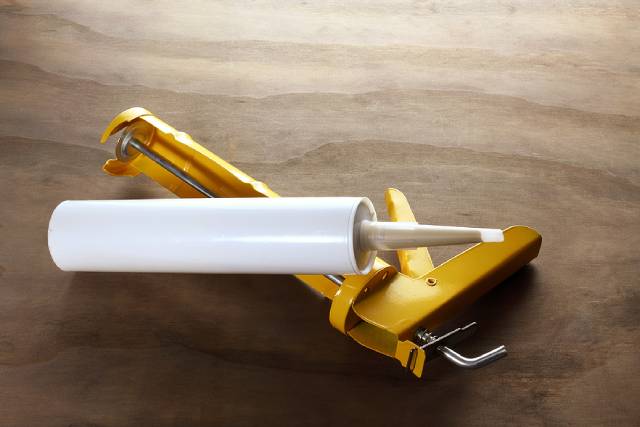
If you have ever opened a cartridge of silicone sealant and noticed a sharp vinegar-like smell, you have already encountered acetic cure silicone.
Both acetic and neutral cure silicones look similar, come in comparable packaging, and are used for sealing and bonding, but they behave quite differently depending on the substrate. Picking the wrong one can lead to corrosion, staining, or a bond that fails permanently.
Understanding the difference is straightforward once you know what drives it.
How curing works in silicone sealants
All silicone sealants cure by reacting with moisture in the air, but the byproduct released during that curing process separates acetic from neutral cure types.
- Acetic cure silicone sealant releases acetic acid as it cures, producing that distinctive vinegar smell. The acid evaporates as the sealant sets, leaving behind a cured, flexible silicone bead.
- Neutral cure silicone sealant releases a non-acidic byproduct during curing, typically an oxime, alcohol, or acetone compound. These do not have the same sharp smell and are considerably gentler on sensitive substrates.
The chemistry behind this distinction is directly responsible for when each type is appropriate and when one should be avoided entirely.
Where acetic cure silicone works well
Acetic cure silicone is widely used in general construction and DIY applications for good reason. It adheres strongly to glass, ceramic, and most non-porous surfaces, cures relatively quickly, and tends to be more cost-effective.
Common applications where acetic cure silicone performs reliably include:
- Glazing and window sealing on standard glass panels
- Bathroom and kitchen sealing around basins, baths and shower trays on ceramic or porcelain
- General building and construction work on non-sensitive substrates
- DIY home sealing on glass and tile surfaces
If you are sealing a bathroom with standard ceramic tiles and no metal fittings nearby, acetic cure silicone is an appropriate choice that provides a durable, waterproof seal. For a broader look at how sealants fit into home repair, the guide on best adhesives and sealants for DIY home fixes covers this ground well.
Where acetic cure silicone should not be used
The acetic acid released during curing is mild but can cause real problems on certain materials:
- Corrosion-prone metals: Copper, brass, zinc and some grades of steel can react negatively with the acid off-gassing, leading to discolouration, surface corrosion, or compromised adhesion.
- Porous or absorbent substrates: Marble, limestone and granite can absorb the acid, leading to staining or surface damage that is difficult to reverse. Concrete and certain brickwork can also be affected.
- Electrical components and sensitive electronic enclosures: Even trace acid vapours during curing can damage these components.
When neutral cure is the right choice
Neutral cure silicone was developed to address the substrate limitations of acetic cure types. Because the curing byproduct is non-acidic, it can be used safely on a wider range of materials without the risk of corrosion or staining.
Neutral cure silicone is typically the appropriate specification for:
- Natural stone (marble, granite and limestone).
- Metals (copper, brass, zinc and anodised aluminium).
- Aquariums and fish tanks (where acetic acid residue would be harmful).
- Electrical and electronic applications
- Insulating glass units and structural glazing
- Powder-coated or painted surfaces where acid contact could cause finish damage
The trade-off is that neutral cure silicones generally cost more than acetic cure and may have a longer cure time. For professional and industrial applications where substrate compatibility is a requirement, that cost difference is a standard part of specifying the right product.
Adhesion and flexibility
Both types offer the flexibility associated with silicone, but there are performance differences.
Acetic cure silicone tends to offer slightly stronger initial adhesion to glass and ceramic surfaces. Neutral cure silicone, while durable, may require a primer on certain substrates to achieve the same bonding strength.
Elongation and movement accommodation are similar across both types, meaning both handle natural expansion and contraction well. For exterior applications or joints that will experience significant thermal movement, checking the specific movement capability of the product, usually expressed as a percentage of joint width, is a more reliable guide than cure type alone.
A quick way to choose
Two questions will guide you to the right product:
1. What is the substrate? If it is glass or ceramic with no sensitive metals or stone nearby, acetic cure is likely fine. If it involves natural stone, metal fittings, electronics, or any surface that could react to acid, choose neutral cure.
2. Is the application in a confined or poorly ventilated space? Acetic cure silicone requires adequate ventilation to dissipate the acid vapours. In a sealed environment, neutral cure is the safer option.
Get the specification right from the start
Using the wrong silicone type rarely shows up immediately. Problems tend to emerge over weeks or months as corrosion develops, staining sets in, or adhesion breaks down. Taking a few minutes to confirm substrate compatibility before application avoids these issues entirely.
MOPI stocks a range of acetic and neutral cure silicone sealants suited to construction, industrial and specialist applications. Whether you are sealing a single bathroom or specifying sealant for a larger project, our team can help you match the right product to your substrate, environment and performance requirements. Get in touch today with your application details to confirm the right specification before work begins.